
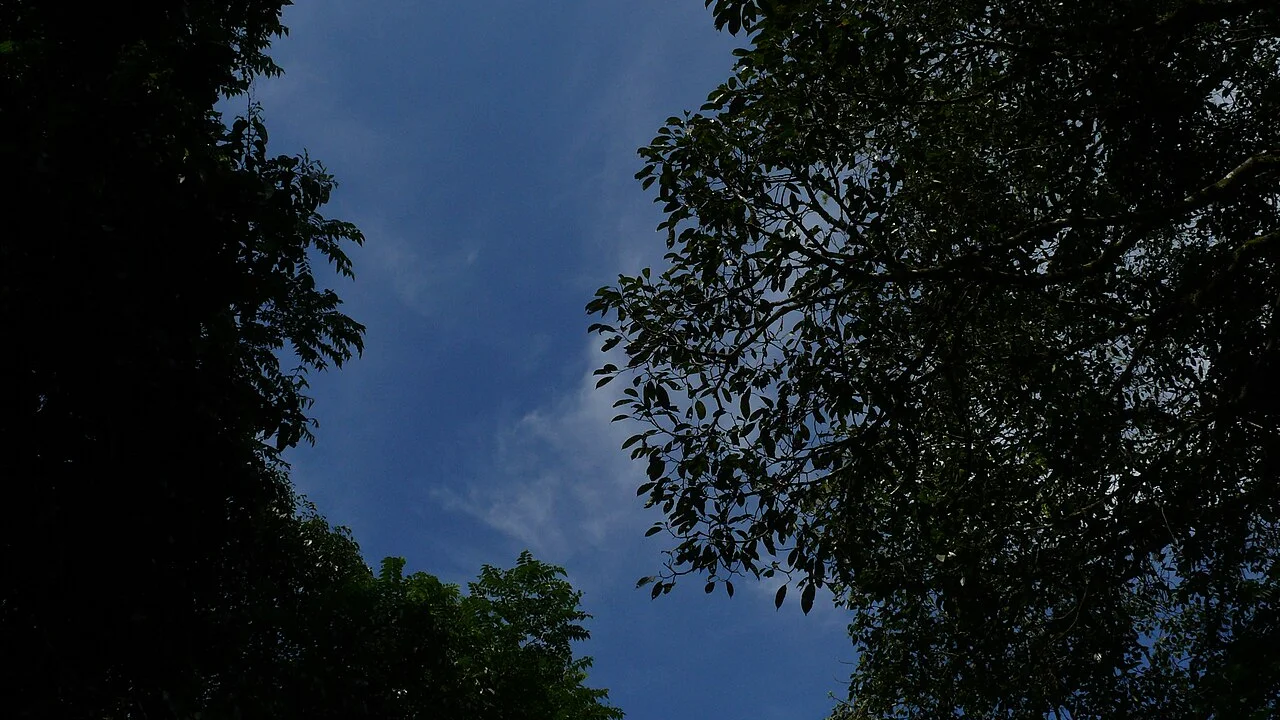
An hour among trees is not escapism: it measurably lowers stress, resets attention and reminds you why green space must be defended, not only photographed.
Research on forest bathing and green exposure shows lower cortisol, blood pressure and mental noise after regular walks under canopy. You do not need a resort — just an accessible, safe, respected wood.
Walking among trunks and understorey connects body and landscape better than any “nature & wellness” slogan on a plastic product. The forest works when it stays intact: illegal tracks, reckless cuts or burnt understorey cancel the benefit.
In brief
- Slow woodland walks = real nervous-system recovery, not a passing fad.
- Biodiversity and living soil amplify the experience; sparse monocultures are not enough.
- Defending local woods is collective health prevention.
What happens when you walk under trees
Patchy shade, understorey scents and wind filtered through leaves reduce the hyper-stimulation typical of cities. Several observational studies report better mood and sleep after repeated sessions, especially without screens and at a comfortable pace.
The benefit is not magic — it is context. A wood with mature trees, humus and wildlife offers microclimate and sensory input that a roadside poplar row cannot copy. That is why cutting peri-urban forest “for tidiness” or replacing it with mown lawns removes green infrastructure from the community.
- Choose marked trails and respect wildlife and fungi.
- Go slowly: 60–90 minutes is enough, better than sprinting with headphones.
- Note season and sensations: it becomes a useful green diary.
From the wood to a concrete gesture
After a walk it is easier to see why a city tree is not optional and why distant planting cannot replace green you lose near home.
On Pianta.land you can link the experience to a real tree on visitable land: the same slow rhythms, the same lesson in patience.
Frequently asked questions
Is an occasional walk enough?
Modest regularity beats heroic rarity. Two woodland outings a month beat one annual “influencer weekend”.
Is it the same as an urban park?
Parks and woods can both help, but structure differs: soil, continuous shade and biodiversity matter.
How does this connect to Pianta.land?
Visit a plot, watch trees and seasons: the step after walking — care over time, not only consuming nature.