
Houseplants improve comfort and humidity but do not replace ventilation and clean sources: here is what they can and cannot do.
Viral lists promise plants that “eat formaldehyde” as if one pot zeroes indoor pollution. NASA experiments and later studies show uptake, but at home scale you would need dozens of plants per square metre — unrealistic.
A real benefit remains: nicer microclimate, a caring routine that slows the day, education on photosynthesis and water cycles. The key is honest expectations, not green marketing.
In brief
- Useful plants ≠ industrial purifiers: airing the room stays priority.
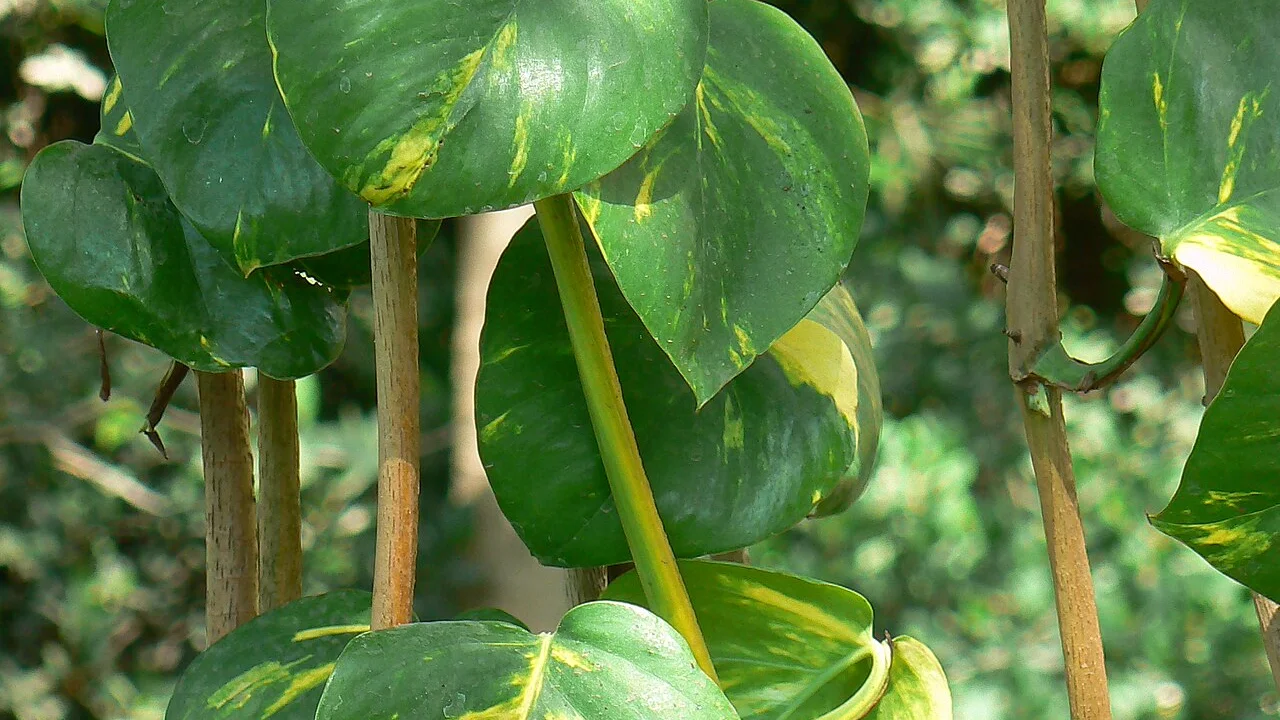
- Hardy species (snake plant, pothos, fern) forgive beginner mistakes.
- Healthy soil and enough light beat any miracle list.
What plants actually do indoors
Through leaves and rhizosphere some species capture trace volatile organics and slightly regulate humidity. The strongest health effect is indirect: a pleasanter environment, less stress, careful watering that avoids stagnation and mould.
Ditch claims like “I cancel emissions”: if you burn fuels indoors or have off-gassing furniture, the fix is ventilation, certified materials and maintenance — not only a ficus in the living room.
- Air the room 5–10 minutes daily even in winter.
- Choose pots with drainage and suitable potting mix.
- Wipe dust off leaves: more useful photosynthetic surface.
From the pot to the land
Understanding limits and strengths of houseplants helps you judge urban projects: one street tree does more than ten pots, but ten well-kept pots still teach respect for water and light.
On Pianta.land the next step is plants growing without walls — deep roots, real seasons, no limiting pot.
Frequently asked questions
Which plants to start with?
Pothos, snake plant, spider plant: they tolerate medium light and some missed watering. Few healthy ones beat many suffering ones.
Do plants “steal oxygen” at night?
Night respiration exists but is negligible in a lived-in, ventilated room.
How does this connect to Pianta.land?
After the pot, try following a tree on open land: same care, different scale — the one that matters for local climate.