
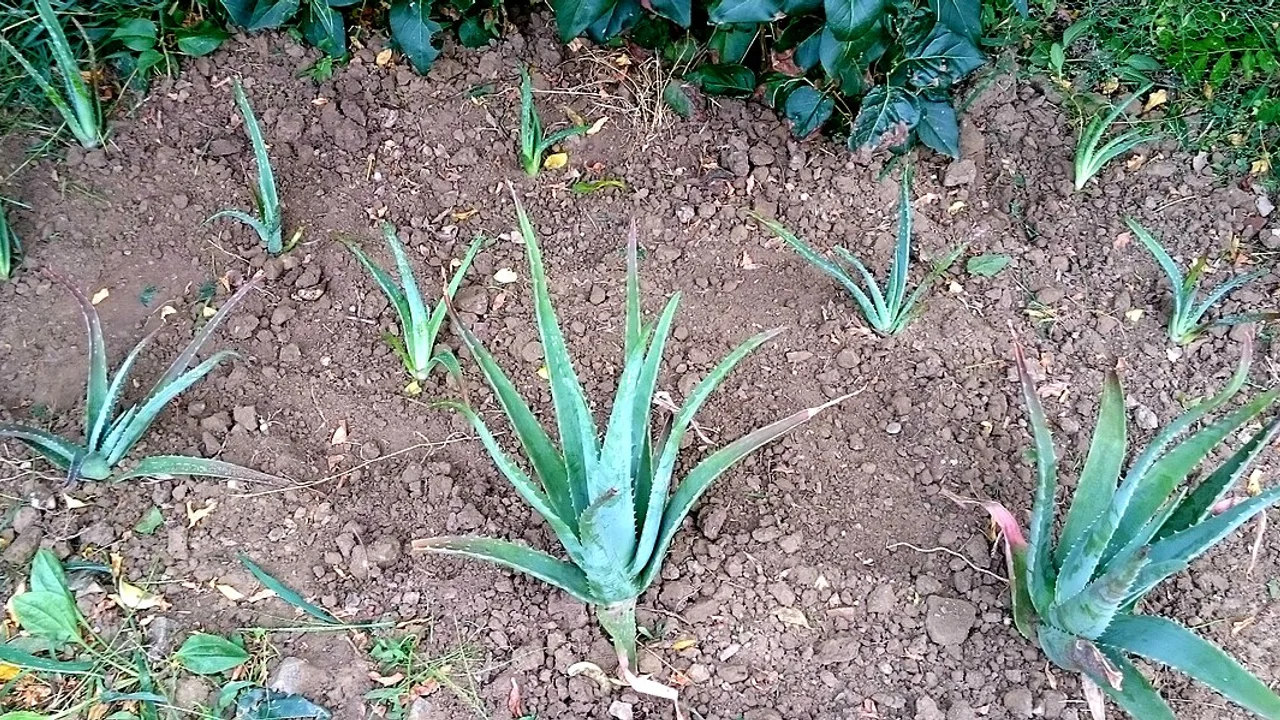
A “beautiful” garden can consume water, chemicals and peat like a small worksite. Here are real levers to lighten the impact without slogans.
Always-green English lawns, thirsty exotic plants and litres of peat in bagged compost: many ornamental gardens have a high footprint exactly where people expect “nature”. Reducing does not mean giving up green — it means choosing species, soil and maintenance with judgement.
The most effective levers are local: less wasted drinking water, fewer herbicides, more ground cover and useful biodiversity. It is the same logic Pianta.land applies to land — measurable, not only aesthetic.
In brief
- Climate- and soil-suited species beat nursery fashion.
- Mulch and living soil cut irrigation and chemicals.
- Less lawn to mow = fewer emissions and more habitat.
What really counts in the garden balance sheet
Water is often the main item: drip systems, rainwater harvesting and Mediterranean or native plants cut use more than any “miracle lawn”. Avoid virgin peat in substrates when alternatives exist; peat extraction hits distant wetland ecosystems.
Cut frequent lawn mowing and leave flowering strips or mixed hedges: insects and birds repay you with natural pest control. Total herbicides and blanket nitrogen fertilisers move the problem into soil and water — they do not solve it.
- Replace unused lawn with ground covers or low-input beds.
- Mulch with local material (chips, leaves) where possible.
- Prefer compost and slow fertility over “everything at once” products.
From the private garden to shared green
The same choices apply to condo beds and public space: mature trees, unsealed soil, irrigation only where needed. Defending an adult city tree cuts collective footprint more than ten thirsty ornamental beds.
On Pianta.land “growing a tree” is part of that balance: real roots, real seasons, less disposable decoration.
Frequently asked questions
Must I remove all lawn?
No. Reduce where it is unused and raise cutting height. Even a “less perfect” lawn can host more life with fewer inputs.
Are native plants always enough?
They are a strong starting point, but function matters too (shade, hedge, wildlife food). Avoid aggressive invasive species in your area.
How does this connect to Pianta.land?
Following a tree on land shifts attention from “show garden” to green that grows over time — the scale that matters for climate and soil.